
Eri Silk: Threads of Tradition
What is Eri Silk
Ryndia, the Khasi name for Eri silk, comes from the Ryndia (castor) plant that feeds the silkworms. Known as Peace Silk or Ahimsa Silk, it’s cruelty-free—unlike other silks, the yarn is extracted without killing the silkworms. Though not as smooth as mulberry or Muga, Eri has a wool-like texture and is the only silk whose yarn is spun, not reeled.
Peace Silk
It’s cruelty-free—unlike other silks, the yarn is extracted without killing the silkworms.The Making of Eri Silk
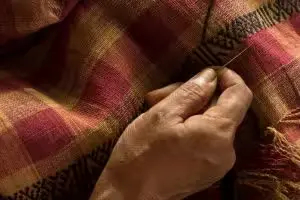
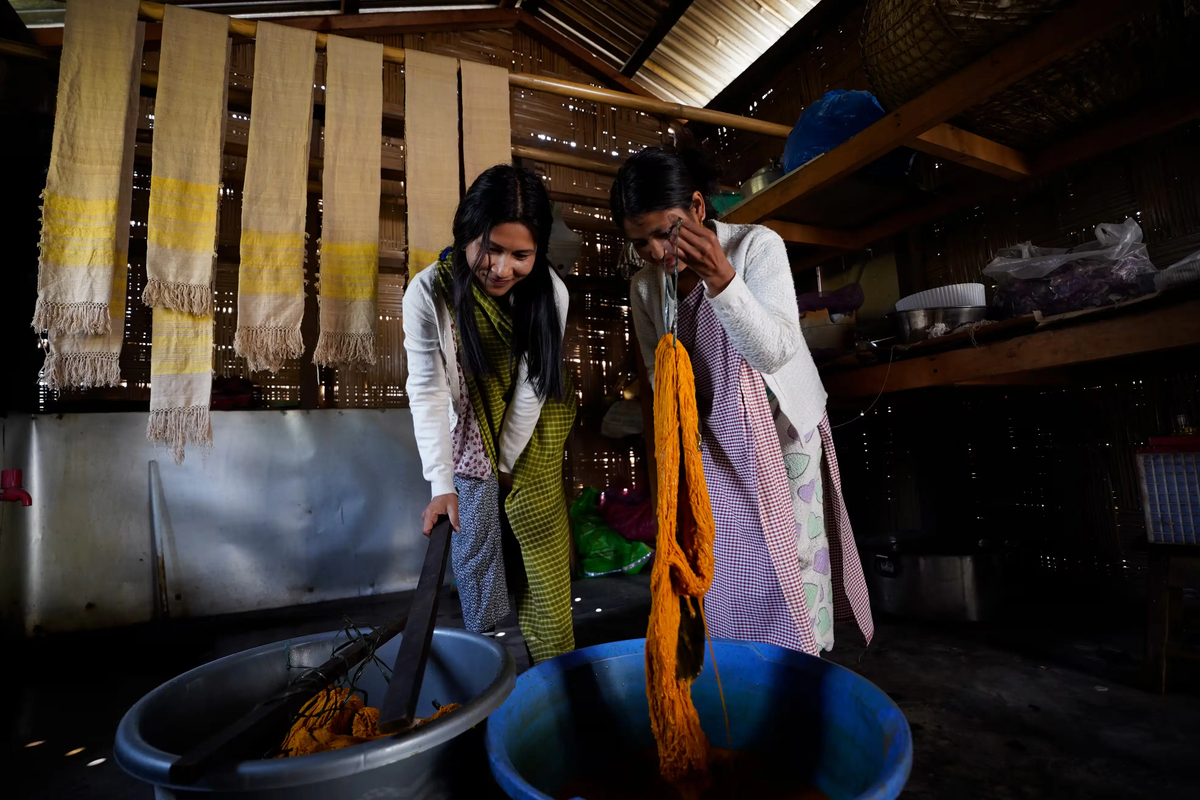
The process of Ryndia production is done in a completely sustainable set-up. The silkworms are not killed during the cocoon extraction process; instead, weavers wait until the pupae come out and the cocoon goes for the boil. Natural dyes are used that are procured from grinding and boiling ingredients like turmeric, onion peel, lac, and iron ore.
Cultural Significance
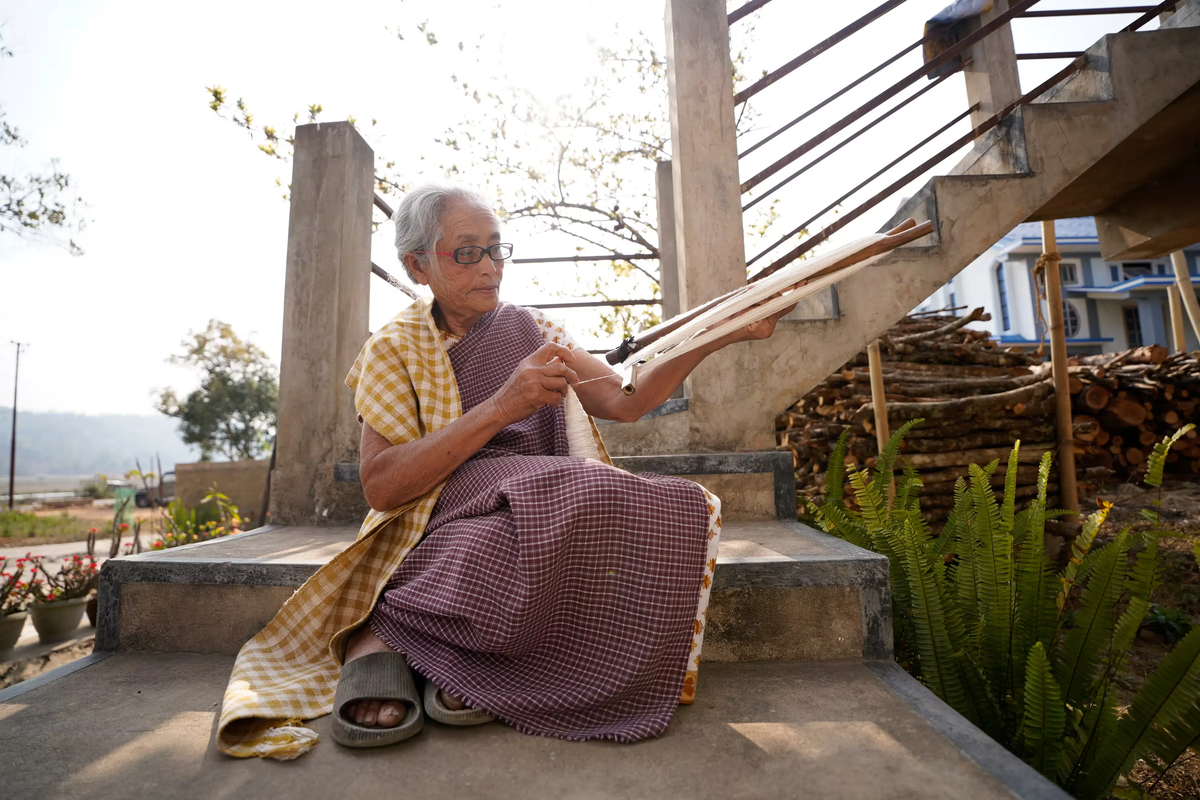
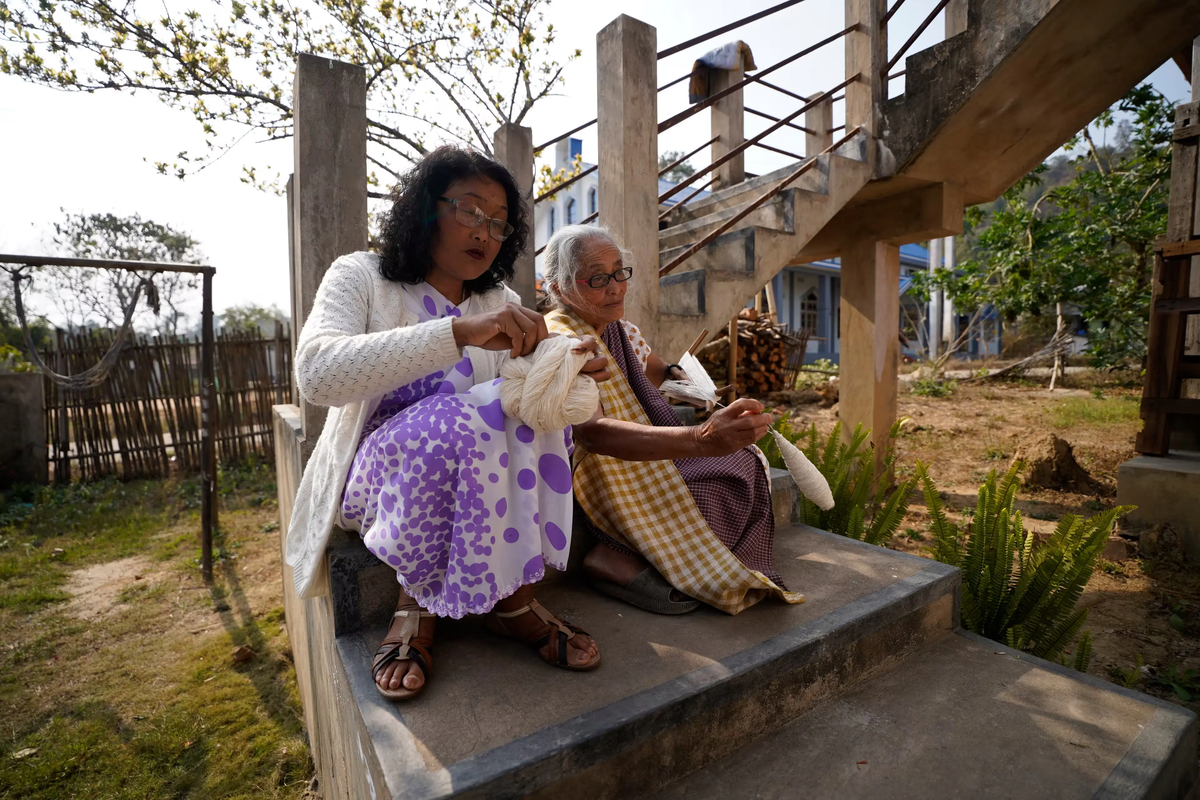
Ryndia production is a gynocentric workforce where women take up every step of production, from rearing silkworms to procuring wool, weaving, dyeing, and marketing. Moreover, this age-old tradition is carried on by women where knowledge and skills are passed down from mother to daughter. Women identify themselves as a weaving community, strengthening their position in the community and economic landscape.
Sustainable and Ethical Fashion
Sustainably produced, Ryndia is highly valued due to its thermoregulatory property and can last a decade if properly cared for. Ryndia is the preferred sartorial choice among men and women, especially on festive occasions. The design is simple and timeless, defying fast fashion and over-consumption.
Timeless Design
The design is simple and timeless, defying fast fashion and over-consumption.Eri in Contemporary Design
A wave of home-grown brands and fashion houses such as Kiniho, Eriweave, Daniel Syiem’s Ethnic Fashion House, Ri & Last, and Zong hi I, are redefining Ryndia with fresh, innovative designs that fuse tradition with modern aesthetics. Inspired by the region’s folklore, nature, and way of life, these entrepreneurs are transforming the heritage fabric into contemporary fashion statements.
Where to See and Experience it
The Design, Innovation & Resource Centre (DIRC) was set up at the Umden-Diwon cluster, Ri-Bhoi district of Meghalaya, in collaboration with the National Institute of Fashion Technology (NIFT) to make Unden-Diwon the first Eri Silk Village. It acts as a medium for weavers to innovate, record and share information on new techniques and processes. The DIRC is a one-stop centre for weavers, dyers, researchers, and aspiring learners to come together to discover and learn the rich textile traditions of the state.
Where to Buy
The Meghalayan Age Store, New Delhi https://themeghalayanage.store/ Kiniho Store, Laitumkhrah, Shillong https://kiniho.com/ Muezart, Umshing-Mawkynroh, Shillong, Meghalaya https://www.muezart.com/collections/muezart-patterns
Buy Eri Silk
The Meghalayan Age, Kiniho, Muezart — available online and in Shillong and New Delhi.