Foraged Flavours: Wild Berries of Meghalaya
Foraged Flavours: Wild Berries of Meghalaya
For generations, local communities have foraged seasonal treasures—from tangy Sohphie and sweet Sohiong to zesty Sohshang—adding bursts of unique flavours to chutneys, pickles, and traditional desserts. These wild edibles, which add to the rich variety of the community’s diet, are locally sourced, highly nutritious, and rooted in self-sustaining practices.
Locally Sourced & Seasonal
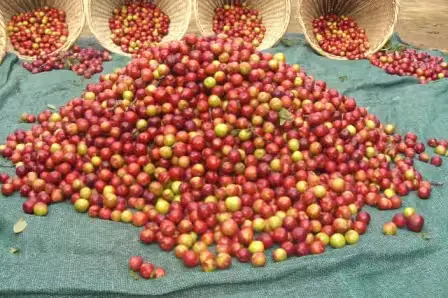
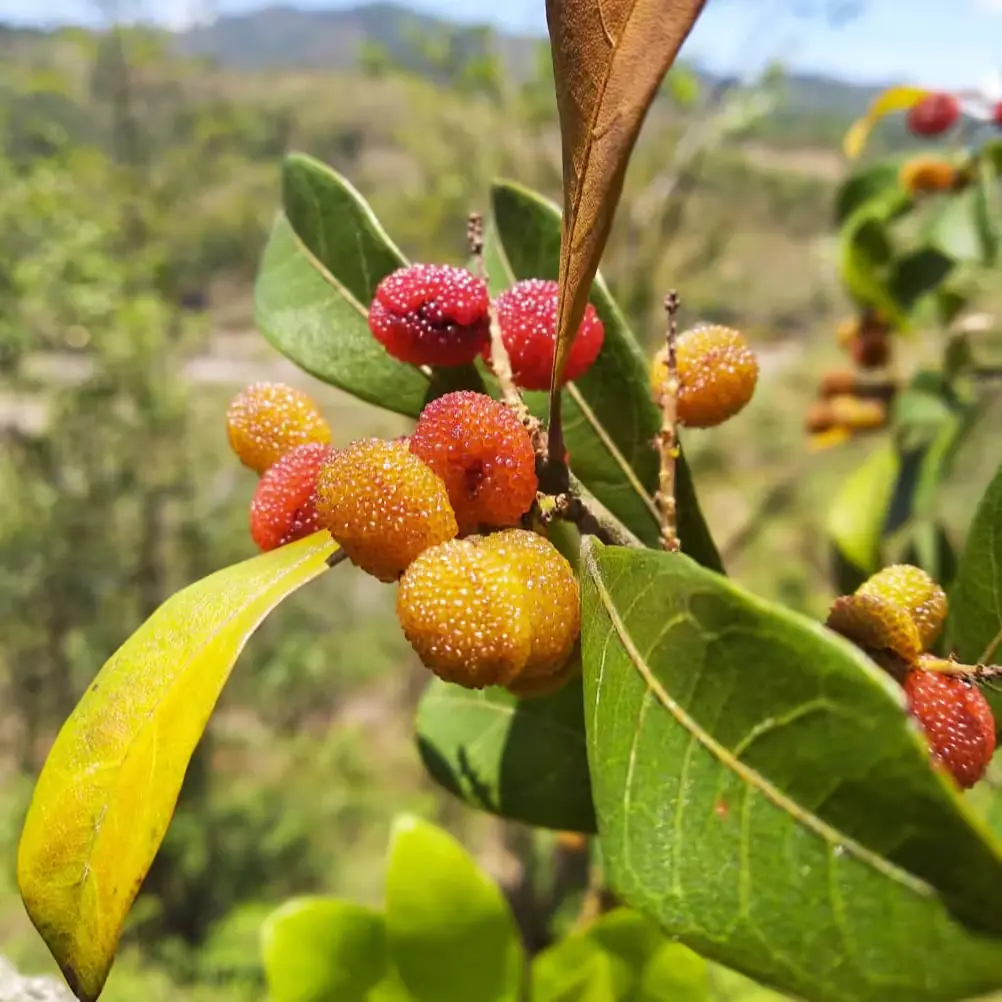
These foraged fruits enrich traditional Khasi diets with their unique flavours and high nutritional value.Soh-Shang
- Botanical name:
Elaeagnus latifolia
- English name:
Wild olive or Bastard oleaster
- Season of availability:
March-April
- Part used:
Fruits are ideally consumed when ripe and preserved as jellies
- Traditional use:
The flowers are traditionally used for their astringent properties, which can tighten tissues or reduce bleeding.
- Taste profile:
The fruit has a pronounced tartness, especially when not fully ripe. This sourness is refreshing and sharp, similar to tamarind or sour plums.
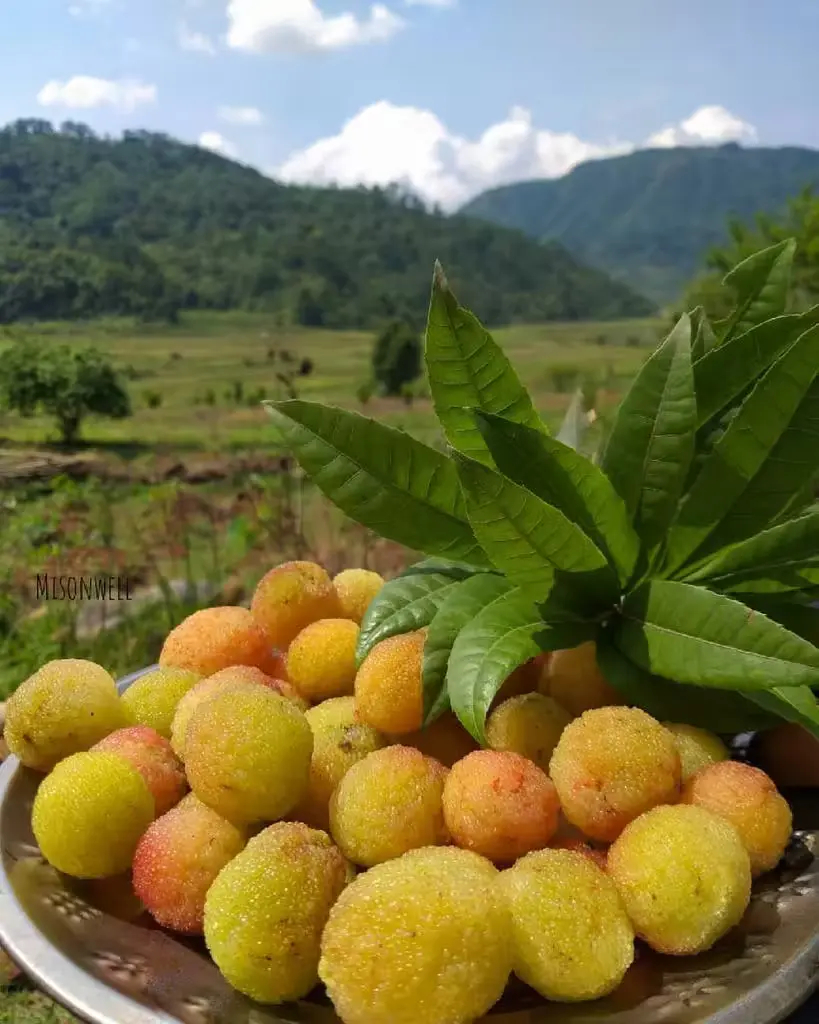
Soh-Iong
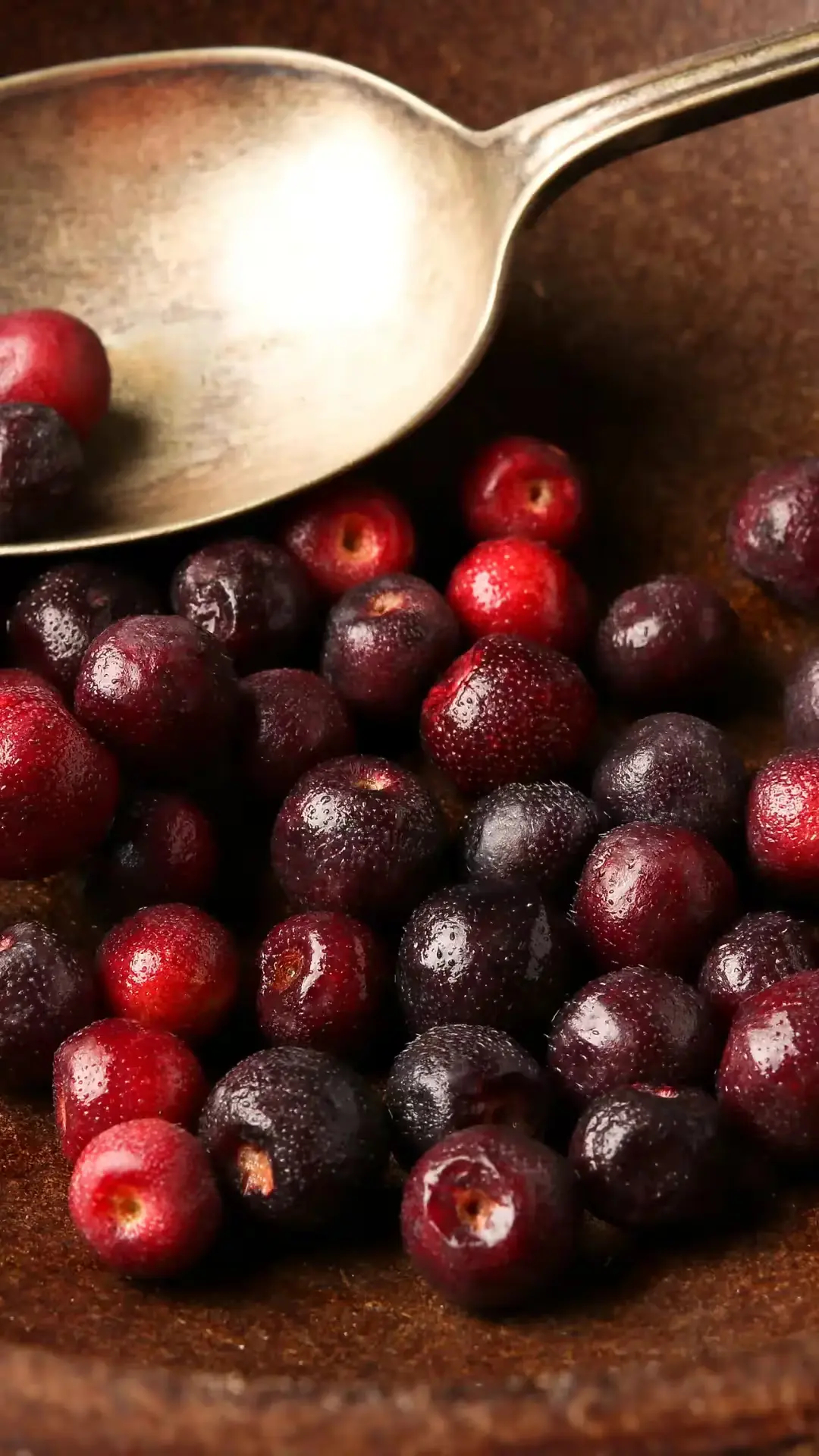
- Botanical name:
Prunus nepalensis
- English name:
Nepalese Wild Cherry, Himalayan Wild Cherry
- Season of availability:
August-November
- Part used:
Fruits are edible when ripe and can be eaten raw or preserved as jam and wine
- Taste profile:
When fully ripe, Sohiong has a rich, sweet taste balanced with a mild tartness, somewhat akin to wild plums or black cherries.
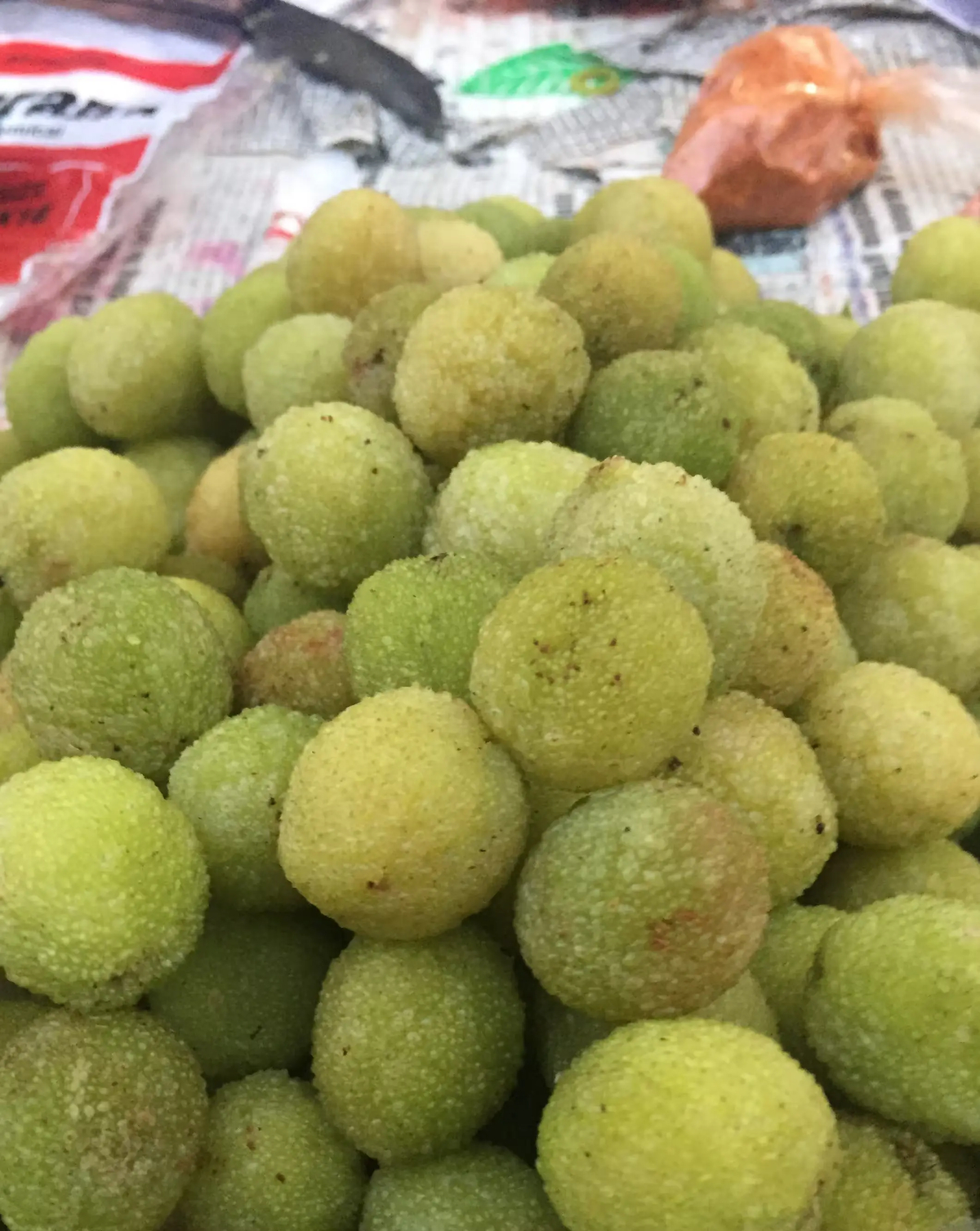
Soh-Phei
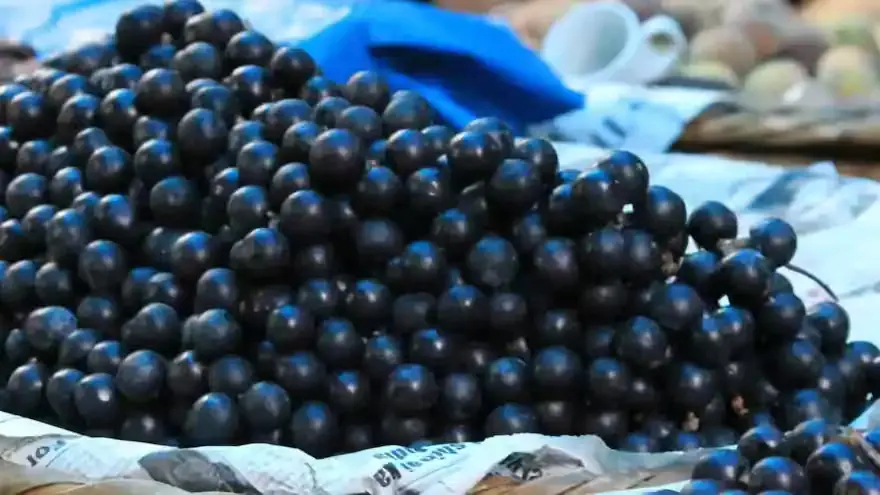
- Botanical name:
Myrica esculenta
- English name:
Box myrtle, Bayberry
- Season of availability:
July-October
- Part used:
Fruits are eaten raw, as a mixture with other fruits, or pickled and made into wine
- Traditional use:
The fruit extract of this plant is known to help reduce oxidative stress
- Taste profile:
The fruit is distinctly sour to tangy, especially when unripe. It delivers a sharp zing that is invigorating and appetite-stimulating.
Soh-Phlang
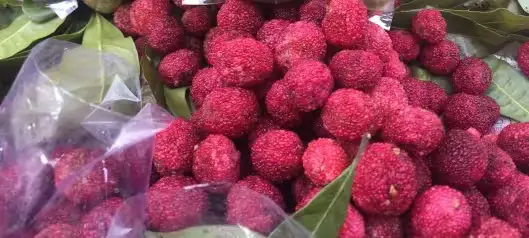
- Botanical name:
Flemingia vestita
- Season of availability:
October-May
- Part used:
The juicy tuber or root is edible and has been an indigenous vermifuge
- Traditional use:
Scientific validation has supported its traditional use as an anthelmintic
- Taste profile:
Its delicate skin peels away effortlessly, revealing smooth, cream-coloured flesh with a sweet, nutty flavour.
Soh-Bah
- Botanical name:
Citrus Maxima
- English name:
Pomelo
- Season of availability:
November-March
- Part used:
The ripe Soh bah is consumed raw or mixed with other fruits to create fruit salad
- Traditional use:
It is recognised for various medicinal properties, such as antioxidant, anti-inflammatory, and antimicrobial activities
- Taste profile:
Its pale-yellow flesh is sweet, mildly tart, and exceptionally juicy.
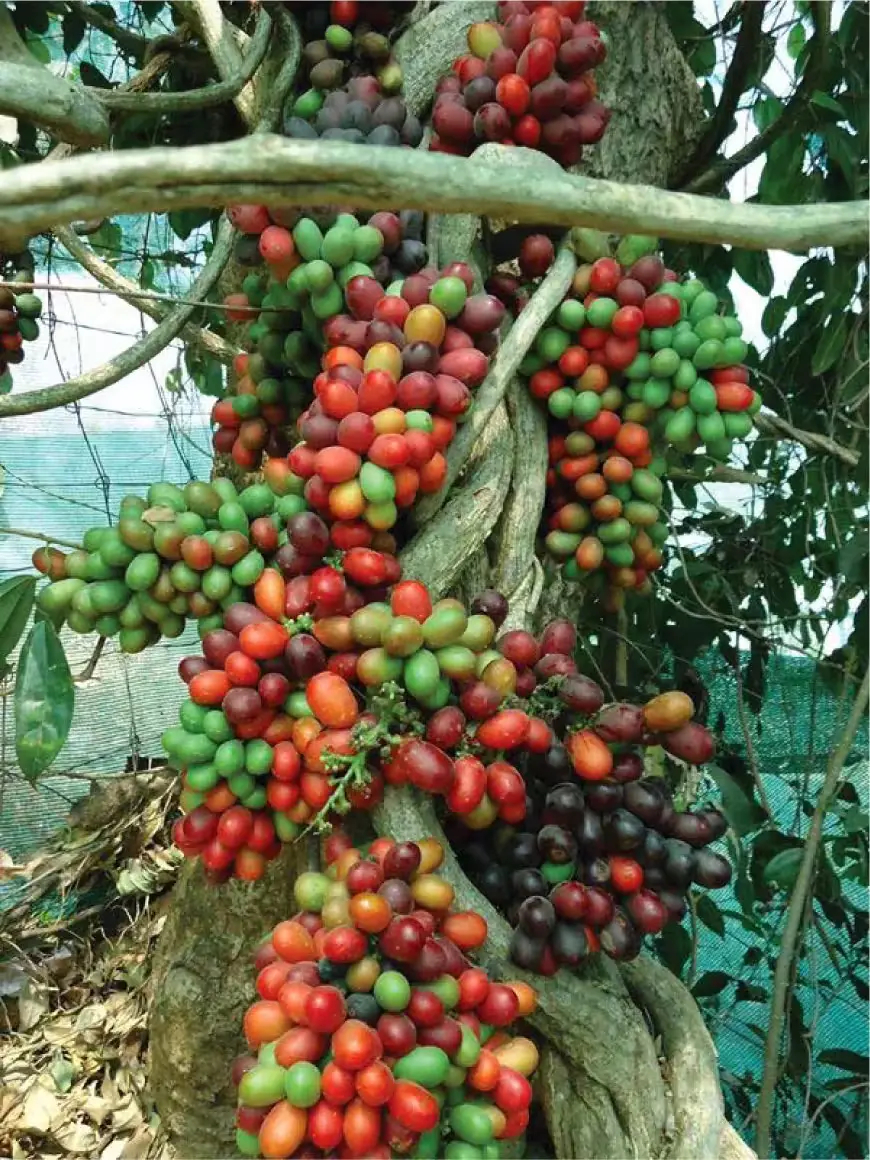
Soh-Snam
- Botanical name:
Haematocarpus validus
- English name:
Blood fruit
- Season of availability:
April-June
- Part used:
It is preferably consumed when ripe. The fruits are also used as natural food colour and organic fertiliser
- Traditional use:
Extracts from the tender shoots are traditionally used to treat jaundice, while the fruits and seeds are known to aid in managing anaemia. A mash of the roots is also applied to relieve itching.
- Taste profile:
The fruit is slightly acidic and sweet in taste.
Soh-Phoh Khasi
- Botanical name:
Docynia indica
- English name:
Indian Crab Apple or Assam Apple
- Season of availability:
August-November
- Part used:
The fruits are eaten raw or cooked with jaggery to reduce the tanginess
- Traditional use:
They exhibit antioxidant and antimicrobial properties and several other notable bioactivities
- Taste profile:
The most prominent flavour is sharp tartness, often accompanied by a slightly astringent bite, especially when unripe. This makes it refreshing but puckering to the palate.
Soh-Pyrshong
- Botanical name:
Averrhoa carambola
- English name:
Star fruit
- Season of availability:
September- February
- Part used:
The fruit is edible and commonly used in stews, curries, and puddings. Slightly unripe (green) fruits are preferred for making jams and jellies.
- Traditional use:
The fruit possesses laxative, cooling (refrigerant), and anti-scorbutic (anti-scurvy) properties
- Taste profile:
The primary flavour is bright and tangy, reminiscent of green apple, lemon, and unripe grapes.
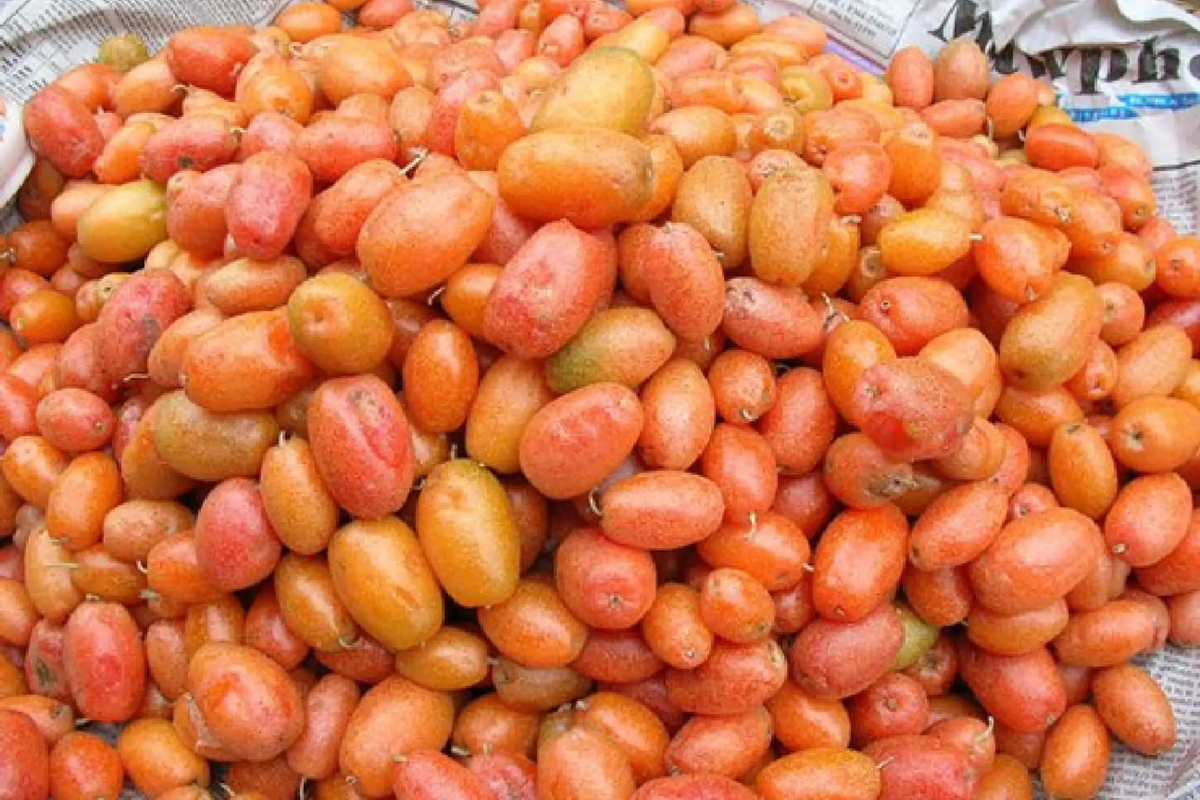
Soh-Liang
- Botanical name:
Gynocardia odorata
- English name:
Chhal Mogra, Chaulmogra
- Season of availability:
January-May
- Part used:
The sun-dried seeds are cooked and thinly sliced for direct consumption
- Traditional use:
Seeds are a source of chaulmoogra oil, traditionally used for treating skin conditions
- Taste profile:
The raw seed has a strong bitter and oily taste. When used in cooked dishes, the bitterness mellows slightly, revealing earthy, nutty undertones.
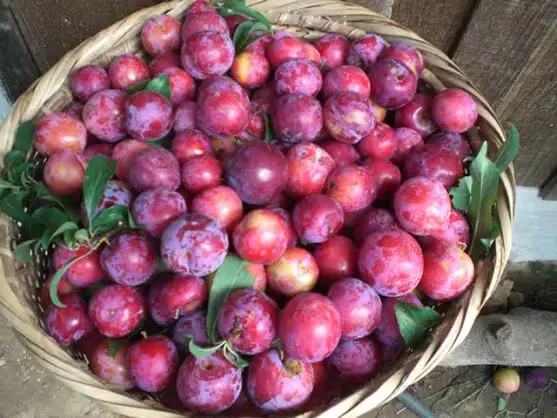
Soh-Broi
- Botanical name:
Ziziphus jujube
- English name:
Red date, Chinese date, Chinese jujube
- Season of availability:
September-February
- Part used:
A popular way to enjoy the slightly sour or tangy unripe fruit is to mix it with salt, chilli powder, and sometimes mustard oil
- Traditional use:
Rich in vitamin C, flavonoids, and polyphenols, jujube has strong antioxidant properties that help protect the body from oxidative stress
- Taste profile:
The fully ripe Soh-Broi has a mild sweetness, often compared to apples or dates, with a soft, mealy texture.